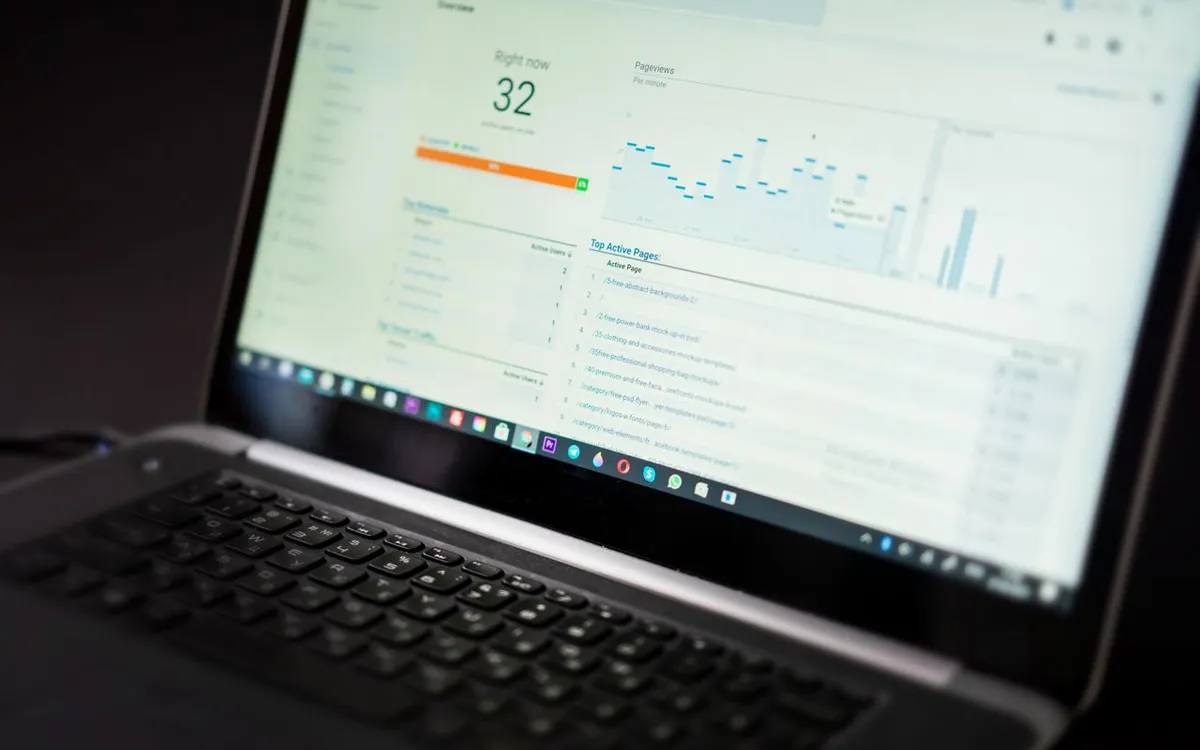
- Modern search is two games at once: classic 10 blue links and generative AI answer engines (Google AI Overviews, ChatGPT, Perplexity). Both feed from the same crawlable index and reward high-information-gain content.
- Fix technical foundations in Days 1–14: fast crawl paths, zero indexation friction, and robots.txt access for AI crawlers (GPTBot, PerplexityBot, Google-Extended).
- Structure pages with 'Answer-First' clarity: 40–60 word executive summaries directly under question-form H2s, followed by verifiable working detail and schema.org JSON-LD.
- Track AI citation share alongside organic traffic: zero-click AI answers require your brand to be cited as the expert source to win enterprise mindshare.
Most B2B service companies are invisible twice: once on Google, where competitors own the service queries, and again inside AI answers, where Google AI Overviews, ChatGPT and Perplexity cite someone else. This 90-day plan fixes both in one sequence — technical foundations first, answer-ready pages second, citations and campaigns third.
It works because Google's AI features retrieve from the same search index as classic rankings: pages that rank, load fast, and state answers plainly are the pages that get cited. Every week below produces evidence you can check yourself — rankings, AI-answer spot checks, and enquiry calls.
Whether you are targeting regional clients in India or enterprise accounts in the US, UK, Australia or Canada, the mechanics of modern search reward domain clarity, verified author entity signals, and structured data that machines can parse without hallucination.
Days 1–14: Technical Crawl Hygiene, Core Web Vitals & Search Index Baselines
The first fortnight is dedicated entirely to removing crawl friction and establishing an uncontaminated measurement baseline. Crawl the entire website using Screaming Frog or Sitebulb to uncover indexation traps: pages missing from XML sitemaps, canonical redirect chains, accidental noindex directives on staging migrations, and duplicate title tags across service pages.
Check and configure robots.txt for the modern AI crawler landscape. In addition to Googlebot, ensure legitimate AI search crawlers are explicitly allowed: GPTBot (OpenAI), PerplexityBot (Perplexity AI), ClaudeBot (Anthropic), and Google-Extended. If your robots.txt or firewall blocks these user-agents, your content will never appear in AI Overviews or interactive search summaries regardless of domain authority.
Audit Core Web Vitals on your top 10 commercial pages with field data from Chrome User Experience Report (CrUX): Largest Contentful Paint (LCP) under 2.5 seconds, Interaction to Next Paint (INP) under 200 milliseconds, and Cumulative Layout Shift (CLS) under 0.1. Search engines and AI retrieval bots penalize slow or layout-shifting pages because heavy client-side scripts impede efficient document parsing.
Record your baseline in a shared tracking sheet before making any on-page changes: your top 20 revenue-generating queries, current organic positions, whether an AI Overview or Copilot card appears for each query, which specific competitors are cited, and your monthly baseline of qualified enquiry calls. Without this baseline sheet, month three has no credible story of ROI.
Days 15–45: 'Answer-First' Page Architecture, Semantic JSON-LD & Entity Siloing
Phase two rebuilds core commercial pages from generic marketing collateral into authoritative, high-information-gain reference pages. Rewrite one page per target money query around the buyer's exact intent rather than keyword density. Structure every page using the inverted pyramid model: place a crisp 40–60 word direct summary answer immediately under each question-form H2 before unpacking the nuance.
Generative engines and search crawlers extract direct paragraph summaries into AI snippets. Follow the answer paragraph with structured tables comparing options, milestone delivery timelines, transparent pricing boundaries, and concrete technology stacks. Avoid vague corporate fluff such as 'we provide cutting-edge synergies' — replace it with specific numbers, verified technologies, and named deliverables.
Implement comprehensive structured data markup using schema.org JSON-LD. Service pages must feature Service schema nested within an Organization schema detailing legal business names, geographical service areas, founder profiles (Person schema with sameAs links to LinkedIn/GitHub), and verified customer review aggregates. Add FAQPage schema with questions matching visible page text verbatim — mismatched schema is treated as deceptive cloaking.
Restructure internal link architecture so no commercial landing page or core insight sits more than three clicks away from the homepage. Use descriptive contextual anchors (such as 'custom billing platform development') rather than generic 'click here' or 'learn more' links, reinforcing semantic topic clusters across your domain.

Days 46–70: Review Velocity, Digital PR Citations & High-Trust Brand Signals
Your website is only one half of the search algorithm. Modern language models and Google's rank brain rely heavily on third-party corroboration to determine entity trust. If third-party sources do not mention your firm, AI systems default to quoting larger incumbent brands.
Establish an active review acquisition rhythm. Claim and optimize company profiles on trusted platforms (Google Business Profile, Clutch, G2, GoodFirms, and relevant local business registers). Ask every satisfied client for a detailed review in the very week a milestone or project launches. A single review detailing the specific client problem, the tech stack chosen, and the business metric achieved carries tenfold more citation weight than ten generic five-star ratings.
Audit Name, Address, and Phone (NAP) consistency across every external directory and business profile. Ensure the company name is spelled consistently everywhere, corporate address data matches official registrations, and listed service descriptions align with your website's canonical service hubs.
Publish one original, data-backed research asset or technical teardown per month. Pitch these findings or guest commentaries to niche industry blogs and newsletters. A handful of high-trust editorial citations quoting your proprietary findings creates the semantic co-occurrence signals that AI search engines use to recommend vendors.
Days 71–90: Conversion Tracking, CRO Feedback Loops & High-Intent Paid Layering
By month three, technical crawl hygiene and content updates will begin reflecting in search index impressions and initial keyword movements. Now is the time to optimize conversion pathways so that incoming traffic converts into scheduled consultations.
Verify end-to-end conversion tracking in Google Analytics 4 (GA4) and Google Tag Manager. Ensure consultation booking clicks, form submissions, phone call clicks, and email link activations fire deduplicated conversion events with UTM source, medium, and campaign parameters captured into your CRM.
Layer tightly targeted Google Ads on top of your validated organic keywords. Rather than broad, expensive phrases, bid strictly on high-intent exact and phrase match keywords (e.g. 'custom software development for healthcare' or 'SaaS billing platform migration'). Use dedicated, high-speed landing pages with clear social proof, fixed-scope promises, and weekly milestone demos.
Use paid search search query reports (SQRs) to harvest real customer search language. Integrate high-performing customer queries directly into your organic FAQ and service page headers, creating a continuous feedback loop between paid search intelligence and organic SEO content.
The Monthly Citation Spot-Check Protocol: Auditing AI Overviews, ChatGPT & Perplexity
Rankings tell you where you stand in traditional blue links; they tell you nothing about whether your firm is recommended when a buyer asks an AI assistant for recommendations. On the first Monday of every month, run a standardized list of 20 unbranded buyer prompts through Google (AI Overviews), ChatGPT Search, Perplexity AI, and Claude.
Log three specific attributes per query: Status (are you Cited as a source, Mentioned in prose, or Completely Absent?), Which Competitors appear in the recommendation list, and Which Specific URL from your website (or third-party profile) was referenced.
Calculate your Monthly Citation Rate: (Total AI Prompts Where Cited / Total Prompts Tested) * 100. If your citation rate is rising while organic click volume is flat, do not panic — zero-click search means the buyer received the recommendation directly in the answer, building enterprise brand preference before they reach out directly.
When a target page ranks on page one of Google but never gets cited in AI Overviews, the diagnosis is clear: the page lacks a definitive, concise 50-word answer block at the top of the relevant section. Edit the opening paragraph to state the answer plainly, and monitor the citation shift in the next monthly check.
Analytics & Attribution: Instrumenting GA4 Custom AI Referral Groupings
Standard GA4 configurations lump AI search engine visits into general 'Referral' or confuse them with 'Direct' traffic. To prove business value, set up a Custom Channel Grouping in GA4 specifically labeled 'AI Search Engines'.
Include regex patterns matching the primary AI domains: chatgpt\.com, openai\.com, perplexity\.ai, claude\.ai, gemini\.google\.com, copilot\.microsoft\.com, and search\.brave\.com. This separates generative search visits from generic referral traffic and displays their conversion contribution clearly on your executive dashboard.
Monitor user engagement metrics for AI referrals: visitors arriving from Perplexity and ChatGPT typically exhibit 2x to 3x higher average session duration and lower bounce rates because they arrive having already pre-qualified your capabilities through the AI summary.

Realistic Milestones: How to Know It Is Working vs. Red Flags
Set realistic expectations with your leadership team. Technical crawl fixes and Core Web Vitals improvements yield results in days 14–30: Google Search Console valid pages increase, crawl error alerts disappear, and indexing speed quickens.
Between days 30 and 60, expect keyword impression expansion in Search Console and initial appearances in long-tail AI Overviews. Commercial page-one rankings for competitive high-volume phrases typically require 90 to 180 days of accumulated domain authority and consistent freshness signals.
A major red flag is paying an agency that promises 'Guaranteed #1 rankings in 30 days' using low-quality spam backlinks or mass programmatic AI content. Such tactics trigger automated spam filters and result in complete algorithmic demotion from both Google Search and AI answer retrieval systems.
Action Framework
Ship-It Checklist
- robots.txt allows Googlebot, GPTBot, PerplexityBot and Google-Extended
- Sitemap submitted, canonicals self-referencing, no accidental noindex
- LCP < 2.5s, INP < 200ms, CLS < 0.1 on top 10 pages
- One page per money query with 40–60 word answer-first blocks
- FAQPage + Service + Organization schema matching visible text
- Review profiles claimed, one directory listing with consistent NAP
- Monthly log: rankings, AI citations, calls, changes shipped
- GA4 custom channel grouping AI referral sources for trend tracking
FAQ & Decision Rules
Frequently Asked Questions
What are AEO and GEO?
Answer Engine and Generative Engine Optimization — structuring pages, FAQs and schema so Google AI Overviews, ChatGPT and Perplexity can cite your business as a source. For Google specifically, this is still SEO: same index, same quality systems.
How fast will we rank?
Technical fixes land in weeks; competitive rankings typically take three to six months. The 90-day plan reports progress monthly — indexed pages, citation checks, calls — so you can judge momentum before the rankings fully arrive.
Do we need to keep publishing forever?
Publishing earns the first citations; maintenance keeps them. Plan on one supporting piece a month after day 90, plus quarterly refreshes of money pages with new dates, stats and FAQs.
What do monthly reports include?
Rankings for the top 20 queries, AI-answer spot checks across Google, ChatGPT and Perplexity, enquiry calls per channel, what changed that month, and next month's plan with owners.
How do we track AI citations without paid tools?
Run a fixed 15–20 prompt list monthly across Google, ChatGPT and Perplexity in a spreadsheet: cited, mentioned or absent per query, plus competitors and cited URLs. Add a GA4 custom channel for AI referrers. Paid tools scale this; the spreadsheet habit is free.
Do review profiles really affect AI answers?
Yes — engines weight independent sources heavily when choosing whom to quote, especially ChatGPT and Perplexity. Detailed reviews describing real engagements beat star-only ratings because engines cite specifics.
Written by Divya • Contributing Author, AnyPlace
Published on 2026-09-10.
Verified by senior engineers on 2026-09-10.
For clarifications or corrections, email contact@anyplacehub.com.