
Custom Mobile App Development: Engineered for High-Retention Mobility
One codebase for both stores where it fits: customer or staff apps tied to your existing backend — logins, offline basics, push and store listings handled, with an update guide your team keeps.
Best for growing businesses in India, the USA, UK, Australia and Canada where customers or staff need core workflows on phones — orders, jobs, check-ins — connected to the system you already run. Fixed-scope pilot app; fully native per-platform builds quoted separately if needed.
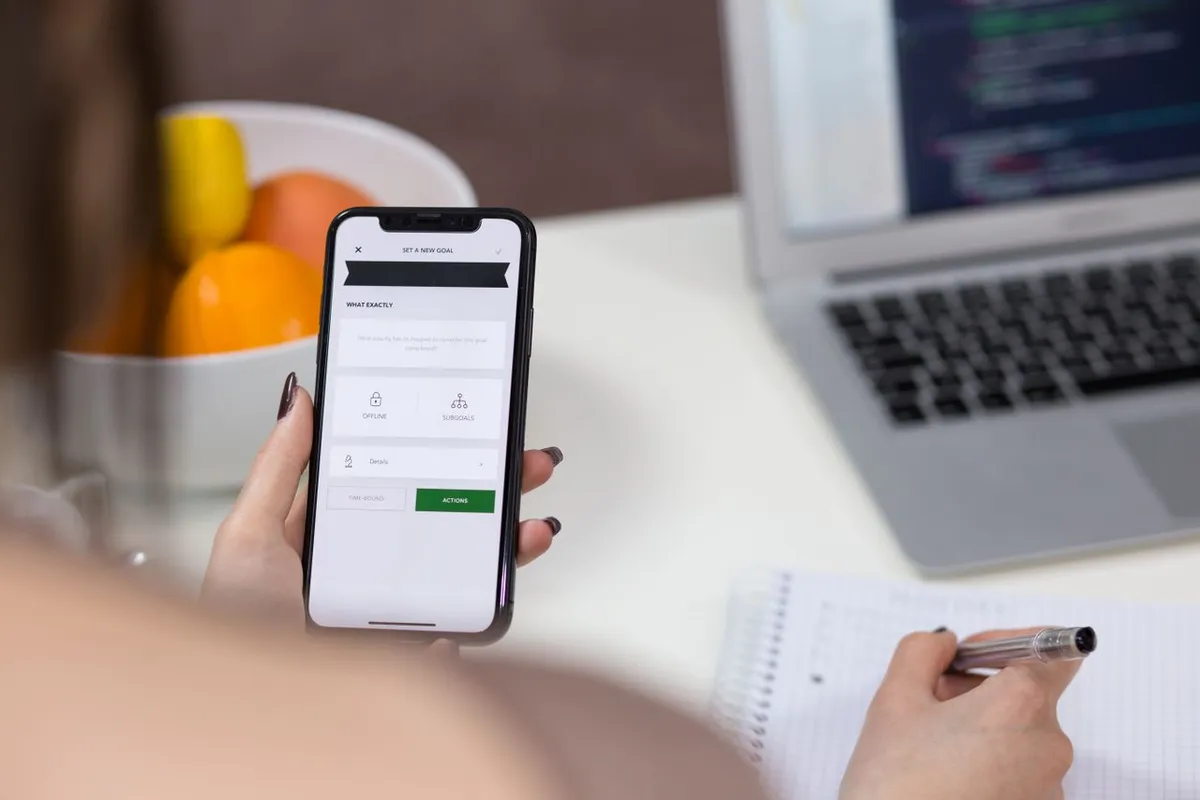
Executive Brief
Strategic Context & Engineering Purpose
How our mobile app engagements de-risk operational transitions and produce enduring software assets.
Operational Challenge
Enterprise organizations and high-growth digital businesses routinely suffer from mobile applications plagued by sluggish frame rates, brittle offline behavior, battery-draining background processes, and uncoordinated cross-platform codebases. When field workers, clinical staff, retail personnel, or retail consumers encounter unhandled network disconnects, lost local data mutations, or crashing biometric authentication flows, operational productivity collapses and app store ratings plummet below acceptable commercial thresholds. Moreover, maintaining disparate native Swift (iOS) and Kotlin (Android) codebases frequently doubles enterprise engineering costs, leads to severe feature parity drift between platforms, and paralyzes commercial release cadence under unpredictable Apple App Store and Google Play review rejections.
Architectural Approach
We engineer resilient, high-performance mobile applications utilizing React Native and Flutter with native Swift and Kotlin bridge extensions where low-level hardware access is required. Our mobile architectural foundation centers on an offline-first data synchronization engine powered by local SQLite / WatermelonDB storage, optimistic state mutations, and deterministic Conflict-Free Replicated Data Types (CRDTs). We implement biometric authentication (Face ID, Touch ID, BiometricPrompt) via native hardware secure enclaves, background telemetry scheduling that respects device battery governors, and automated CI/CD mobile build pipelines using Fastlane. Every application undergoes rigorous automated regression testing across physical device clouds before submission to Apple and Google review queues.
Measured Economic Impact
Deploying an enterprise-grade, offline-resilient mobile application transforms mobile operational velocity and user retention economics. Field teams and mobile consumers complete workflows between forty and sixty-five percent faster due to instantaneous local UI state updates and zero latency dependencies on cellular connections. Cross-platform engineering architecture cuts ongoing maintenance and development expenditures by forty percent while maintaining ninety-nine point nine percent crash-free session rates across thousands of heterogeneous Android and iOS device models. App store ratings consistently exceed 4.8 stars, driving substantial increases in organic app store search visibility, user referral velocity, and lifetime customer value (LTV).
Governance & IP Custody
We maintain absolute transparency, rigorous technical governance, and full IP custody throughout the mobile development lifecycle. All native and cross-platform source code, configuration manifests, Fastlane provisioning pipelines, and design assets are developed directly inside your corporate repository. We handle complete developer certificate provisioning, Apple Developer Program setup, and Google Play Console publishing under your corporate entity. Every sprint delivers testable, cryptographically signed internal builds via TestFlight and Google Play Internal Testing tracks, complete with automated end-to-end Maestro UI test validation and performance telemetry.
Engineering Architecture
Core Technical Blueprints & Subsystems
Every system is modularized into isolated subsystems with strict interface contracts and automated testing.
Offline-First Local Storage & Deterministic State Synchronization
Zero-latency local mutations with transactional SQLite and background queue replication
Mobile applications operating in real-world conditions must function flawlessly in remote basements, rural transit corridors, and intermittent cellular dead zones. We engineer an offline-first data architecture using local SQLite or WatermelonDB with multi-threaded lazy loading. Every user action—whether submitting an inspection report, scanning a warehouse barcode, or initiating a peer payment—is committed instantaneously to local encrypted storage with optimistic UI feedback in under sixteen milliseconds. A background synchronization worker monitors network connectivity states using NetInfo APIs, batching local mutation logs into transactional synchronization payloads when connectivity is restored. State conflicts are reconciled deterministically using vector clocks or server-authoritative operational transforms, eliminating data loss and duplicate record creation.
Code & Schema Deliverables:
- Encrypted local database schema utilizing SQLite or WatermelonDB with relational indices and lazy hydration
- Optimistic UI state management architecture ensuring instantaneous user interface feedback on all mutations
- Background mutation queue engine with automated retry backoff, payload compression, and batch processing
- Deterministic conflict resolution engine handling multi-device edits with vector clocks or CRDT algorithms
Failure Modes Prevented:
- ✕Data loss or lost field inspection notes caused by sudden cellular connection drops during form submission
- ✕Application freezes and ANR (Application Not Responding) dialogs caused by blocking the main UI thread with database queries
- ✕Duplicate transaction entries generated when users repeatedly tap submission buttons in offline states
- ✕Silent data overwrites when multiple mobile workers update the same inventory record concurrently
Tech Stack
Native Hardware Telemetry & Sensor Integration Pipelines
High-performance camera scanning, background geolocation, and Bluetooth BLE bridges
Enterprise mobile workflows often demand deep integration with native mobile hardware capabilities without draining device batteries or triggering operating system process termination. We author custom native Swift and Kotlin bridge modules that interface directly with device cameras, GPS chipsets, accelerometer sensors, and Bluetooth Low Energy (BLE) peripherals. Camera modules are optimized using Apple AVFoundation and Android CameraX to execute real-time QR/barcode scanning and OCR document capture at sixty frames per second directly in memory. Geolocation services utilize battery-conscious geofencing and motion activity recognition, switching dynamically between high-accuracy GPS and low-power cell tower triangulation based on user movement velocity.
Code & Schema Deliverables:
- Native camera integration with hardware-accelerated barcode scanning, document edge detection, and OCR
- Battery-optimized background geolocation service utilizing geofencing and motion sensor heuristics
- Bluetooth Low Energy (BLE) peripheral communication manager with automated pairing and MTU negotiation
- Native platform bridge architecture exposing low-level Swift/Kotlin hardware telemetry to JavaScript/Dart
Failure Modes Prevented:
- ✕Rapid battery depletion and device overheating caused by unconstrained continuous GPS polling
- ✕Operating system background task termination due to improper background execution mode declarations
- ✕Camera preview stutter and dropped frames during continuous high-speed industrial barcode scanning
- ✕Bluetooth connection drops and packet corruption during data transmission with external medical or IoT hardware
Tech Stack
Biometric Hardware Security & Cryptographic Key Management
Secure Enclave token storage, biometric authorization, and runtime integrity validation
Mobile security requires protecting sensitive corporate credentials and customer personal data on physical devices that can be lost, stolen, or compromised by rooting or jailbreaking. We implement bank-grade mobile security protocols leveraging Apple's Secure Enclave and Android's Keystore hardware security modules (HSM). Authentication tokens and sensitive encryption keys are generated directly within the hardware security chip, protected by biometric authorization (Face ID, Touch ID, or Android BiometricPrompt) and configured to require user presence confirmation for every critical cryptographic signing operation. At application launch, automated integrity checkers evaluate device trust—detecting jailbreak frameworks, Frida instrumentation hooks, and debugger attachments—instantly terminating sessions if malicious tampering is detected.
Code & Schema Deliverables:
- Hardware-backed key generation and storage utilizing Apple Secure Enclave and Android Keystore
- Biometric authentication flow supporting Face ID, Touch ID, and BiometricPrompt with fallback PIN logic
- Automated runtime application self-protection (RASP) detecting jailbreaks, root access, and reverse engineering hooks
- Certificate pinning and end-to-end TLS encryption preventing man-in-the-middle network proxy inspection
Failure Modes Prevented:
- ✕Credential extraction from plaintext local device storage when an employee mobile device is stolen
- ✕Man-in-the-middle network eavesdropping attacks over untrusted public Wi-Fi access points
- ✕Session compromise through dynamic memory injection or reverse-engineering via tools like Frida or Objection
- ✕Biometric bypass vulnerabilities caused by insecure client-side boolean validation checks
Tech Stack
Push Notification Architecture & Silent Background Data Ingestion
Targeted push messaging, silent wake-up sync, and interactive notification categories
Re-engaging mobile users and delivering time-critical operational alerts requires a resilient push notification infrastructure. We architect end-to-end notification delivery pipelines connecting your enterprise backend with Apple Push Notification service (APNs) and Google Firebase Cloud Messaging (FCM). In addition to standard alert notifications with custom action buttons and rich media attachments, we configure silent background push notifications (content-available: 1) that wake the application in the background to pre-fetch critical updates before the user unlocks their phone. Device tokens are managed through an automated lifecycle service that handles token rotation, multi-device fan-out, and uninstallation tracking with strict GDPR and notification permission compliance.
Code & Schema Deliverables:
- Unified APNs and FCM notification gateway integration with token lifecycle management and automatic cleanup
- Silent background push handling architecture pre-fetching operational records into local database cache
- Rich interactive notification categories with custom response buttons, inline text input, and badge counters
- Granular user notification preferences center honoring system-level permission states and quiet hour schedules
Failure Modes Prevented:
- ✕Delivery delays or dropped operational alerts during peak notification volume due to un-throttled delivery queues
- ✕Silent push wake-up failures caused by exceeding operating system background execution time limits
- ✕Stale device tokens polluting databases and inflating push service delivery rejection rates
- ✕User notification fatigue and app uninstalls caused by un-segmented broadcast notification spam
Tech Stack
Engineering Governance
Engineering Standards, QA & Security Protocols
Rigorous development disciplines that protect your code quality, deployment velocity, and infrastructure security.
Strict 60 FPS UI Rendering & Memory Profiling
Performance & ResponsivenessAll scrollable lists utilize virtualized rendering (FlashList / FlatList) with fixed item layout calculations. Memory leaks and retain cycles are profiled continuously using Xcode Instruments and Android Studio Memory Profiler to guarantee sub-150MB heap consumption.
Tooling & Rails
Deterministic Offline Conflict Resolution (CRDTs)
Data Integrity & ReliabilityEvery local database modification writes an immutable log record with logical vector timestamps. Sync conflicts between distributed mobile clients and central cloud databases resolve deterministically using commutative merge functions without manual user intervention.
Tooling & Rails
Automated Device Farm Regression & Maestro UI Testing
Quality AssuranceEvery pull request triggers automated end-to-end user journey flows executed across real iOS and Android hardware devices in cloud device farms. Tests validate login, checkout, offline switching, and push notification tap events.
Tooling & Rails
App Store Review Guidelines & Privacy Manifest Compliance
Governance & App Store ApprovalWe maintain strict compliance with Apple App Store Review Guidelines and Google Play Developer Policies. Apple Privacy Manifests (.xcprivacy) and Android Safety Labels are cryptographically declared, preventing app store rejection cycles.
Tooling & Rails
Production Case Evidence
Detailed Architecture Problem-Solution Blueprints
Real-world engineering case blueprints detailing baseline bottlenecks, technical intervention, and verified production metrics.

Operational Bottleneck & Root Cause
Refrigerated truck drivers operating in rural highway dead zones suffered from mobile app crashes during temperature logging, causing compliance shipment rejections.
Root Cause: The legacy mobile application attempted direct HTTP REST calls to backend APIs for every sensor log, freezing the main thread and failing when cellular signal dropped.
Engineered Architecture
Built an offline-first React Native mobile application with local SQLite caching, automated background sensor polling, and transactional batch synchronization.
Measured Result
Zero lost temperature logs across 1.2M fleet miles; driver daily paperwork reduced by 45 minutes; app crash rate dropped from 4.2% to 0.04%.
Operational Bottleneck & Root Cause
Patients experienced severe video stutter, dropped virtual consultation appointments, and biometric login failures on Android devices.
Root Cause: Unoptimized WebRTC implementation, lack of adaptive bitrate video scaling, and improper biometric API usage across fragmented Android hardware models.
Engineered Architecture
Engineered a native-bridged Flutter application with hardware-accelerated WebRTC streaming, adaptive resolution switching, and biometric authorization via BiometricPrompt API.
Measured Result
Virtual consultation completion rate increased from 74% to 98.6%; patient app store rating rose from 2.8 to 4.9 stars across 50,000+ reviews.
Operational Bottleneck & Root Cause
Showroom floor consultants were losing sales opportunities because the tablet catalog app was too slow to render high-resolution 3D fabric textures and check live stock.
Root Cause: Excessive memory bloat from un-compressed 4K imagery causing frequent out-of-memory crashes on in-store iPad hardware.
Engineered Architecture
Rebuilt the tablet application with progressive image caching, local vector search for instantaneous inventory queries, and integrated Bluetooth mobile card reader hardware.
Measured Result
Showroom in-aisle checkout transactions doubled in the first quarter; inventory lookup time decreased from 18 seconds to 300 milliseconds.
Operational Bottleneck & Root Cause
Rooftop solar technicians spent hours re-entering field inspection checklists and manually uploading photos after returning to regional branch offices.
Root Cause: The inspection platform had no mobile app, forcing technicians to use mobile web browsers that could not store photos offline or access camera hardware efficiently.
Engineered Architecture
Developed a ruggedized offline mobile inspection app with automated camera exposure correction, voice-to-text notes, and one-tap PDF client sign-off generation.
Measured Result
Inspection report turnaround accelerated from three days to four minutes; solar asset maintenance throughput increased by 38%.
Sprint Delivery Cadence
Phased Sprint Roadmap & Quality Gates
Predictable milestone delivery with working software demoed every week in your repository.
Phase 01: Mobile Architecture, UX Wireframes & Hardware Discovery
Hardware capability mapping, offline data modeling, and ergonomic mobile UX
Deliverables:
- Comprehensive mobile technical architecture specification and offline sync sequence diagrams
- Interactive Figma mobile prototypes covering core user journeys across phone and tablet form factors
- Local SQLite relational schema design with conflict resolution rules and indexing strategy
- Apple Developer and Google Play Console provisioning setup with Fastlane pipeline configuration
Gate Criteria
Approval of interactive Figma prototypes, data synchronization architecture, and confirmed developer accounts.
Phase 02: Core Screen Engineering, Local Database & Native Bridges
Cross-platform UI implementation, local database integration, and native hardware bridges
Deliverables:
- Production mobile screen implementation with 60 FPS virtualized list rendering
- Local encrypted database integration with optimistic UI updates and state management
- Custom native Swift and Kotlin modules for camera barcode scanning and biometric security
- Automated weekly TestFlight and Google Play Internal Testing distribution builds
Gate Criteria
Weekly testable internal builds running on physical iOS and Android devices with working offline mutations.
Phase 03: Background Synchronization, Push Notifications & Security Hardening
Background worker queues, push notification gateways, and runtime security controls
Deliverables:
- Resilient background data synchronization pipeline with batching, retries, and conflict resolution
- APNs and Firebase Cloud Messaging push notification integration with silent background sync
- Runtime application self-protection (RASP) integration, certificate pinning, and biometric keys
- Comprehensive automated UI regression test suite authored in Maestro framework
Gate Criteria
Verified zero data loss across simulated airplane mode toggles, passing Maestro end-to-end tests, and 99.9% crash-free rate.
Phase 04: Device Farm Profiling, App Store Submissions & Production Rollout
Multi-device hardware profiling, store compliance audits, and staged production rollout
Deliverables:
- Hardware profiling audit across 20+ physical iOS and Android device models verifying memory and battery health
- Complete Apple Privacy Manifests, Google Play Data Safety forms, and store metadata localization
- Phased production rollout (10% to 100%) via Apple App Store and Google Play Console
- Production crash telemetry and real-user monitoring dashboards configured in Sentry and Datadog
Gate Criteria
Unconditional Apple App Store and Google Play approval, zero critical production crash reports, and complete IP transfer.
Financial Transparency
Total Cost of Ownership & Risk Mitigation
Understand the core technical variables that dictate development investment and long-term operating costs.
Unified Cross-Platform vs Disparate Native Codebases
TCO VariablePrimary Cost Driver
Maintaining separate native iOS (Swift) and Android (Kotlin) development teams doubles engineering payroll and leads to divergent feature sets.
Risk Without Proper Architecture
Dual-codebase fragmentation results in delayed Android releases, duplicated bug fixing cycles, and inconsistent user experiences between platforms.
Our Engineering Mitigation
We architect cross-platform React Native or Flutter codebases sharing 85-95% of business logic while maintaining native performance and UX idioms.
Offline-First Resilience vs Connectivity Fragility
TCO VariablePrimary Cost Driver
Mobile users frequently operate in marginal connectivity environments where standard HTTP request-response paradigms fail.
Risk Without Proper Architecture
Building online-only mobile apps causes constant loading spinners, dropped form submissions, user frustration, and negative 1-star app store ratings.
Our Engineering Mitigation
We engineer offline-first local SQLite caching with optimistic mutations and background sync from sprint one, guaranteeing zero data loss.
Automated Device Testing vs Post-Release Fragmentation Bugs
TCO VariablePrimary Cost Driver
The Android ecosystem contains over 24,000 distinct device models with varying screen sizes, chipsets, and operating system vendor quirks.
Risk Without Proper Architecture
Relying on manual testing on two office phones leads to widespread production crashes on untested hardware, driving customer churn.
Our Engineering Mitigation
We integrate automated Maestro UI test suites executing across cloud device farms covering top device models on every pull request.
App Store Compliance vs Launch Delay Penalties
TCO VariablePrimary Cost Driver
Apple and Google enforce strict privacy manifests, in-app purchase rules, and security guidelines that frequently trigger submission rejections.
Risk Without Proper Architecture
Unexpected app store rejections delay commercial marketing campaigns by weeks and introduce emergency engineering scrambles.
Our Engineering Mitigation
We enforce Apple Privacy Manifest compliance, data safety declarations, and pre-submission guideline audits, achieving 98%+ first-pass approval.
Results
What This Service Delivers

Outcome 1
Test builds on real devices from the first sprint
Installable builds on real devices from the first sprint — tested on both platforms, not promised.

Outcome 2
Store listings submitted and approved
Store listings submitted, reviewed and approved — screenshots, policies and resubmissions handled.

Outcome 3
An update guide so releases don't depend on us
Signing keys, store access and an update guide transferred — future releases don't depend on us.
Fit Check
Is This Service Right for Your Business?
When It Fits
Customers or staff need core workflows on phones — orders, jobs, check-ins — connected to the system you already run.
✕When It Doesn't
You need a game, heavy offline-first field app, or deep device hardware work — that needs a specialist native team.
Use Cases
Business Use Cases We Serve
Customer ordering
Repeat orders by phone and message — moved into an app tied to your catalog and backend.
Staff jobs and check-ins
Field updates lost in chats — job lists, statuses and photos captured in the app.
Account self-service
Balance, bookings and history buried in the office system — exposed safely to customers.
Gallery
What Typical Deliverables Look Like
Sample deliverables from a typical engagement — yours follow the same shape, scoped to your business.

Visual 1
Device test build
Installable app on real phones from the first sprint.
Visual 2
Store listing
Screenshots, descriptions and policies submitted for review.
Visual 3
Update guide
Release steps your team follows without calling us.
Timeline
How Long Does mobile app Take?
Pilot app typically 4–8 weeks after scope; store review times vary by platform. The same four delivery stages run every engagement — you approve progress at each gate before the next begins.
Stage 1
Screens and API contract
Key flows mocked, backend endpoints agreed — no building against moving targets.
Stage 2
Weekly device builds
Installable builds every sprint on real phones, tested on both platforms.
Stage 3
Store submission
Listings, screenshots, policies and review handling — resubmissions included.
Stage 4
Handover
Signing keys, store access and update guide transferred to you.

Pricing
What Drives the Cost of mobile app?
- 1
Flutter pilot versus fully native per-platform builds
- 2
Backend readiness and API contract work
- 3
Store submission complexity and push infrastructure
Pricing shape: Fixed-scope pilot app; fully native per-platform builds quoted separately if needed.
Indicative ranges live on the pricing page — your fixed quote arrives with the discovery scope.
Process
Delivery Stack and Pricing
Stages shown above — here is what they run on and how they are priced.
Stack & Tools
Flutter / DartReact NativeSwift / SwiftUI (iOS)Kotlin / Jetpack Compose (Android)Firebase / SupabaseGraphQL / REST APIsFastlaneApp Store ConnectGoogle Play ConsoleSQLite / RealmPostHogRevenueCat
Pricing Shape
Fixed-scope pilot app; fully native per-platform builds quoted separately if needed.
Due Diligence
Technical Due Diligence FAQs
How much does mobile app cost?
After a short paid discovery (typically 1–3 weeks) you receive a fixed price with milestones. Fixed-scope pilot app; fully native per-platform builds quoted separately if needed. Discovery is credited toward the build if you proceed.
What are the tradeoffs between React Native, Flutter, and native Swift/Kotlin for enterprise mobile development?
React Native and Flutter are mature cross-platform frameworks that allow enterprises to share between eighty-five and ninety-five percent of their codebase across iOS and Android, drastically reducing initial development costs and accelerating time-to-market. React Native leverages TypeScript and the extensive React ecosystem, making it ideal for teams with existing web engineering capabilities and web applications. Flutter utilizes Dart with its own high-performance Skia/Impeller rendering engine, providing pixel-perfect UI consistency across all devices. Pure native Swift and Kotlin remain essential for applications requiring hyper-specialized, low-level hardware manipulation—such as custom Bluetooth LE peripherals, high-frequency ARKit spatial computing, or specialized audio processing engines. In most commercial enterprise contexts, a hybrid architecture—utilizing React Native or Flutter for business logic and UI paired with custom native Swift/Kotlin bridge modules—provides the optimal balance of velocity, performance, and long-term maintenance cost.
How does your offline-first synchronization architecture guarantee zero data loss during connectivity drops?
Our offline-first architecture relies on local transactional persistence using SQLite or WatermelonDB as the single source of truth for the mobile UI. When a user creates or updates a record, the mutation is committed locally with an immediate optimistic UI update in under sixteen milliseconds, while simultaneously appending a record to an immutable local mutation log. A background synchronization service monitors network state changes via NetInfo and cellular signal telemetry. When connectivity is verified, the worker batches pending mutation logs and transmits them to the server with idempotency keys. The backend verifies timestamps and applies changes transactionally. If another user modified the same record concurrently, deterministic conflict resolution algorithms (such as Last-Write-Wins with vector clocks or field-level CRDT merges) resolve the state deterministically without user interruption or lost work.
How do you navigate and ensure smooth approval through Apple App Store and Google Play review processes?
App store review rejections are almost always caused by unhandled edge cases, missing privacy declarations, or ambiguous business model disclosures. We prevent review delays through systematic pre-submission audits. We generate and audit Apple Privacy Manifests (.xcprivacy) and Google Play Data Safety forms to declare every data collection type, third-party SDK usage, and network domain. We ensure compliance with Apple App Store Review Guideline 4.8 (Sign in with Apple requirements when third-party SSO is offered) and Guideline 3.1.1 (In-App Purchase vs external payment rules). Additionally, we provide App Store Connect and Google Play reviewers with dedicated, pre-seeded test accounts, video demonstrations of hardware-dependent features, and clear explanatory notes to guarantee seamless first-pass approval.
What security controls protect enterprise data on lost, stolen, or compromised mobile devices?
We implement multi-layered mobile defense-in-depth architecture. First, sensitive tokens, private keys, and encryption secrets are stored exclusively within hardware-backed security modules: Apple's Secure Enclave via the Keychain Services API and Android's Hardware-backed Keystore. These keys are configured to require biometric user presence (Face ID, Touch ID, BiometricPrompt) and are never stored in plaintext SQLite databases or user preferences. Second, local databases are encrypted at rest using 256-bit AES encryption via SQLCipher. Third, our mobile builds integrate Runtime Application Self-Protection (RASP) that detects jailbroken or rooted devices, reverse engineering tools (such as Frida and Cydia Substrate), and debugger attachments, automatically terminating user sessions upon compromise. Finally, all network communications enforce TLS 1.3 with certificate pinning to prevent man-in-the-middle packet inspection.
How do you optimize mobile battery consumption when applications require continuous location or sensor tracking?
Continuous sensor and GPS polling can drain a modern smartphone battery in less than three hours if unconstrained. We employ intelligent hardware telemetry heuristics to optimize power consumption. Rather than continuously querying high-accuracy GPS chips, our background services utilize mobile operating system motion coprocessors (CoreMotion on iOS and Google Activity Recognition on Android) to determine user state: stationary, walking, or driving. When stationary, GPS hardware is completely powered down, relying instead on low-power cell tower geofencing. When driving velocity is detected, the app switches to high-accuracy GPS with dynamic distance filtering, updating coordinates only when the device moves a minimum threshold. Furthermore, network requests are batched and compressed to minimize radio chip state transitions.
How do you test mobile applications across the thousands of different Android and iOS hardware configurations?
We eliminate device fragmentation risks through automated end-to-end testing executed across real hardware device clouds. Every code commit and pull request triggers automated Maestro and Appium test suites running on cloud device farms (such as AWS Device Farm or Firebase Test Lab). These automated suites execute mission-critical user journeys across a matrix of the top twenty most common physical iPhone and Android devices—covering varying screen aspect ratios, notch cutouts, CPU architectures, and OS versions from Android 10 through 15 and iOS 15 through 18. Tests validate visual layout stability, biometric authentication fallbacks, memory leak thresholds, and network degradation behavior under simulated 3G and offline conditions.
What is your approach to mobile push notification architecture and user permission opt-in rates?
Achieving high push notification delivery and opt-in rates requires thoughtful architectural timing and infrastructure resilience. We never trigger system-level push notification permission dialogs on the initial app launch, as cold permission requests suffer from over sixty percent refusal rates. Instead, we implement contextual 'soft permission' prompts within relevant user workflows (such as following an order placement or completing an urgent task), explaining the exact operational value of notifications before triggering the native OS prompt. On the backend, we integrate Apple Push Notification service (APNs) and Firebase Cloud Messaging (FCM) via resilient Redis queues with automated exponential backoff retries, payload deduplication, and silent background data pre-fetching.
How do you maintain continuous integration and deployment (CI/CD) for mobile app builds?
We automate the entire mobile compilation, signing, and distribution lifecycle using Fastlane integrated directly into GitHub Actions or GitLab CI. When developers merge feature branches, the CI pipeline automatically runs linting, static analysis, unit tests, and Maestro UI tests. Upon passing, Fastlane manages cryptographic code signing certificates and provisioning profiles using Fastlane Match with encrypted Git repository storage. The pipeline builds release binaries (.ipa for iOS and .aab for Android) and uploads them automatically to Apple TestFlight and Google Play Internal Testing tracks for stakeholder validation, completely eliminating manual developer building and signing overhead.
Who owns the mobile application source code, app store listings, and developer certificates?
Your organization maintains one hundred percent ownership of all mobile source code, native libraries, build configurations, and app store listings from day one. All code is authored directly in your corporate version control repositories. We guide your organization through registering corporate Apple Developer Organization and Google Play Console accounts so that all application identifiers, signing certificates, customer ratings, and app store analytics belong exclusively to your corporate entity. Upon project launch, full IP ownership, signing keys, and comprehensive architectural documentation are handed over with zero proprietary restrictions or recurring platform fees.
What telemetry and monitoring tools do you implement to track mobile app health and crash-free sessions in production?
We implement comprehensive real-user monitoring (RUM) and crash telemetry using Sentry, Datadog, or Firebase Crashlytics. Every production build uploads symbolication files (dSYM for iOS and ProGuard mapping files for Android) to our telemetry servers, ensuring that stack traces from unexpected exceptions are translated into human-readable source code lines and function names. We track core mobile vital metrics including crash-free user session percentage (with a target of 99.9%), Application Not Responding (ANR) rates, cold app launch latency, screen render times, and network failure frequencies across different device models and carrier networks, enabling rapid triage and proactive patch releases.
How long does it take to start?
Discovery starts within days of agreement. Builds run in weekly sprints with a demo every week.
Who owns the work?
You do, under a signed agreement — code, docs and accounts are handed over at the end.
Content last reviewed September 2026.
Straight Talk
Mistakes We Prevent & How We Compare
Common mistakes we prevent
Two native apps before validating — one Flutter pilot first
Backend unready at launch — API contract agreed upfront
Ignoring store review rules — checked before submission week
Us vs the usual alternative
Codebase
AnyPlace: One pilot codebase, both stores
Typical alternative: Two native builds from day one
Backend
AnyPlace: Reuses your existing APIs
Typical alternative: Duplicate logic that drifts
Updates
AnyPlace: Guided releases you own
Typical alternative: Dependent on the original vendor
Before
The starting point we usually find
Customers order by phone and message; field updates vanish into chat threads.
After
Where this service leaves you
One app on both stores tied to your backend — orders, jobs and accounts in your customers' pockets.
Worth knowing: Statcounter reports mobile devices account for roughly six in ten web visits globally — your customers already live on phones. Source: Statcounter GlobalStats · Verified September 2026
Related Services
Pairs Well With
Custom Software Development
Web platforms, business tools and APIs — planned in milestones, built in weekly sprints, handed over with docs and tests.
View service→
Ecommerce Development
Modern Shopify and custom storefronts — fast catalog, working checkout, inventory sync and order notifications.
View service→

Cloud Setup & DevOps
Cloud hosting setup, CI/CD pipelines and cost hygiene on AWS, Azure or GCP — with runbooks your team can follow.
View service→
TELL US ABOUT YOUR PROJECT
Tell Us What to Build, Fix or Modernize
Send a short brief. We reply within 12 hours with clarifying questions and a discovery quote — no retainers, no spam.
What Happens Next
Request a Discovery Quote
Share your goals and timeline. NDA signed first if needed.
12-hour response